Removing a background can make an image look new, but legally it is still based on the original image. Background removal is an edit. It does not automatically solve copyright, model release, trademark, or privacy issues.
Nukkimon is a browser-based background remover, but where you can use the result depends on the source image and its usage rights.
The short answer
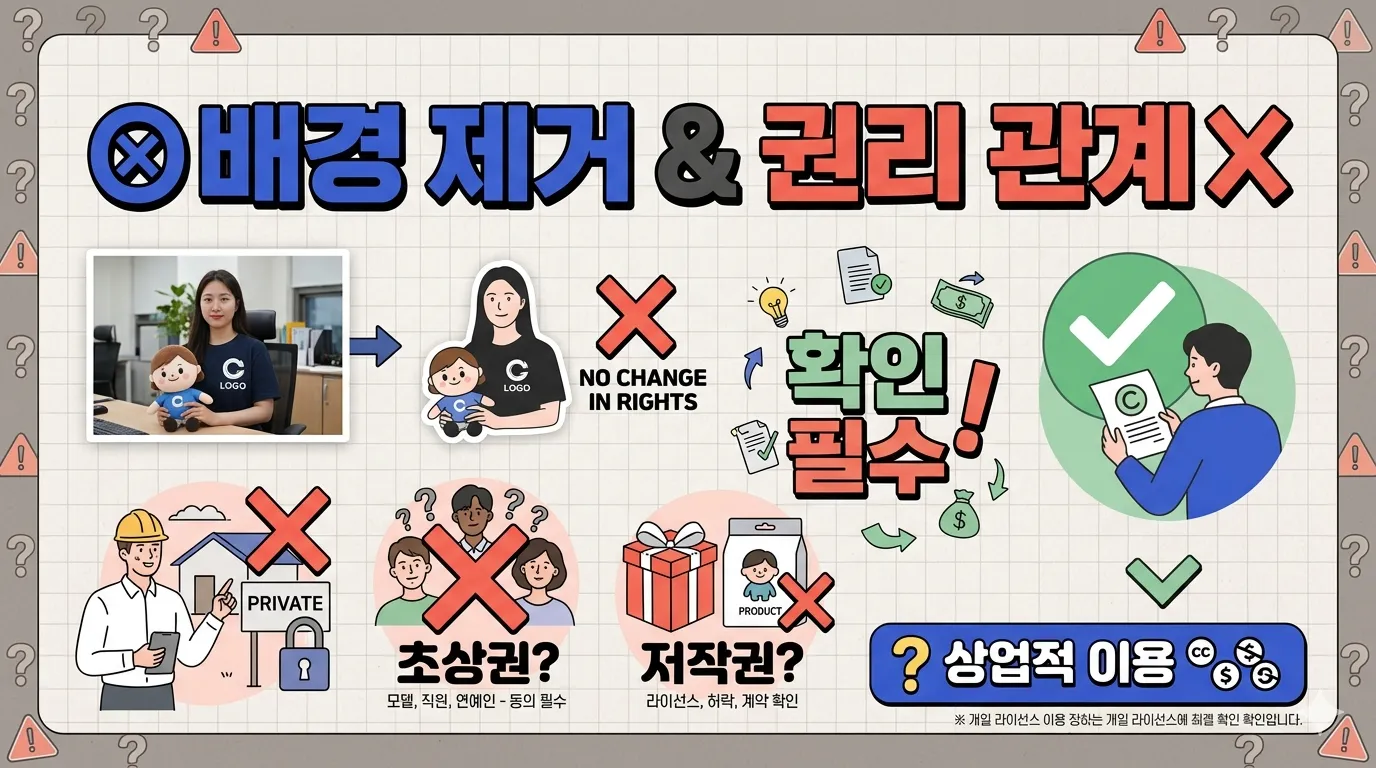
Before using a background-removed image commercially, check three things:
- Did you create the image yourself, or do you have permission to use it?
- Does the image contain people, logos, branded products, characters, or artwork?
- Does the license allow the exact use you need, such as ads, product pages, thumbnails, or merchandise?
If any answer is unclear, be careful. A clean transparent PNG does not mean the image is free to use.
Background removal does not erase rights
When you remove the background, the subject and creative elements remain. Editing a photo found online, taken from social media, copied from another shop, or downloaded from a brand page does not make it yours.
Be especially careful with:
- product photos from another seller
- celebrity, influencer, employee, or customer photos
- visible brand logos or trademarks
- character art, game assets, and illustrations
- stock photos with limited licenses
The background may be gone, but the rights attached to the image remain.
Photos you took yourself are safer, but not always risk-free
If you photographed your own product, you usually have more control. Still, the product itself can contain logos, copyrighted artwork, branded packaging, or character designs.
For example, a shirt photo you took yourself may still include a protected character printed on the shirt. Removing the background does not grant permission to use that character in advertising.
Check portrait and privacy rights
Images of people can raise separate issues from copyright. If a model, employee, customer, or friend is recognizable, confirm that the person agreed to the intended use, especially for ads, landing pages, banners, product pages, or paid promotions.
Also check for private information in the image before editing: ID cards, student cards, name tags, addresses, license plates, screens, documents, and reflections can all reveal more than intended.
Not every free image allows commercial use
“Free” does not always mean “free for commercial use.” Some sites allow personal use only. Some require attribution. Some restrict use in ads, products for resale, or sensitive contexts.
Before using a free image commercially, check:
- whether commercial use is allowed
- whether attribution is required
- whether modifications are allowed
- whether model or property releases are included
- whether there are restrictions for logos, trademarks, or products
If you use stock images often, keep a record of the source URL, license, and download date.
Common commercial use cases
Online store product images
If you photographed your own products or received authorized supplier images, background removal can help create cleaner product pages. Still, follow the marketplace’s image policy and confirm that the supplier allows your use.
Ads and landing pages
Ads are higher risk because they directly promote a business. Use images you own, licensed stock with commercial rights, or properly released model photos.
YouTube thumbnails and social posts
Thumbnails often use people, screenshots, brand elements, or entertainment images. Editing them into a transparent PNG does not remove rights concerns. Use original or licensed assets when possible.
Practical checklist before publishing
- Source: Where did the image come from?
- Permission: Do you have the right to modify and publish it?
- People: Are recognizable people included?
- Brands: Are logos, trademarks, or character designs visible?
- License: Does it allow commercial use and modification?
- Platform rules: Does the marketplace, ad network, or social platform allow this image?
- Privacy: Does the image contain personal or sensitive information?
Related tools and guides
FAQ
Does removing a background make an image copyright-free?
No. Background removal is only an edit. The original image rights still matter.
Can I use my own product photos commercially?
Usually yes, but check for logos, character art, branded packaging, model releases, and platform rules.
Is this legal advice?
No. This is a practical checklist for image use. For important commercial campaigns, consult a qualified professional.